01
Overview
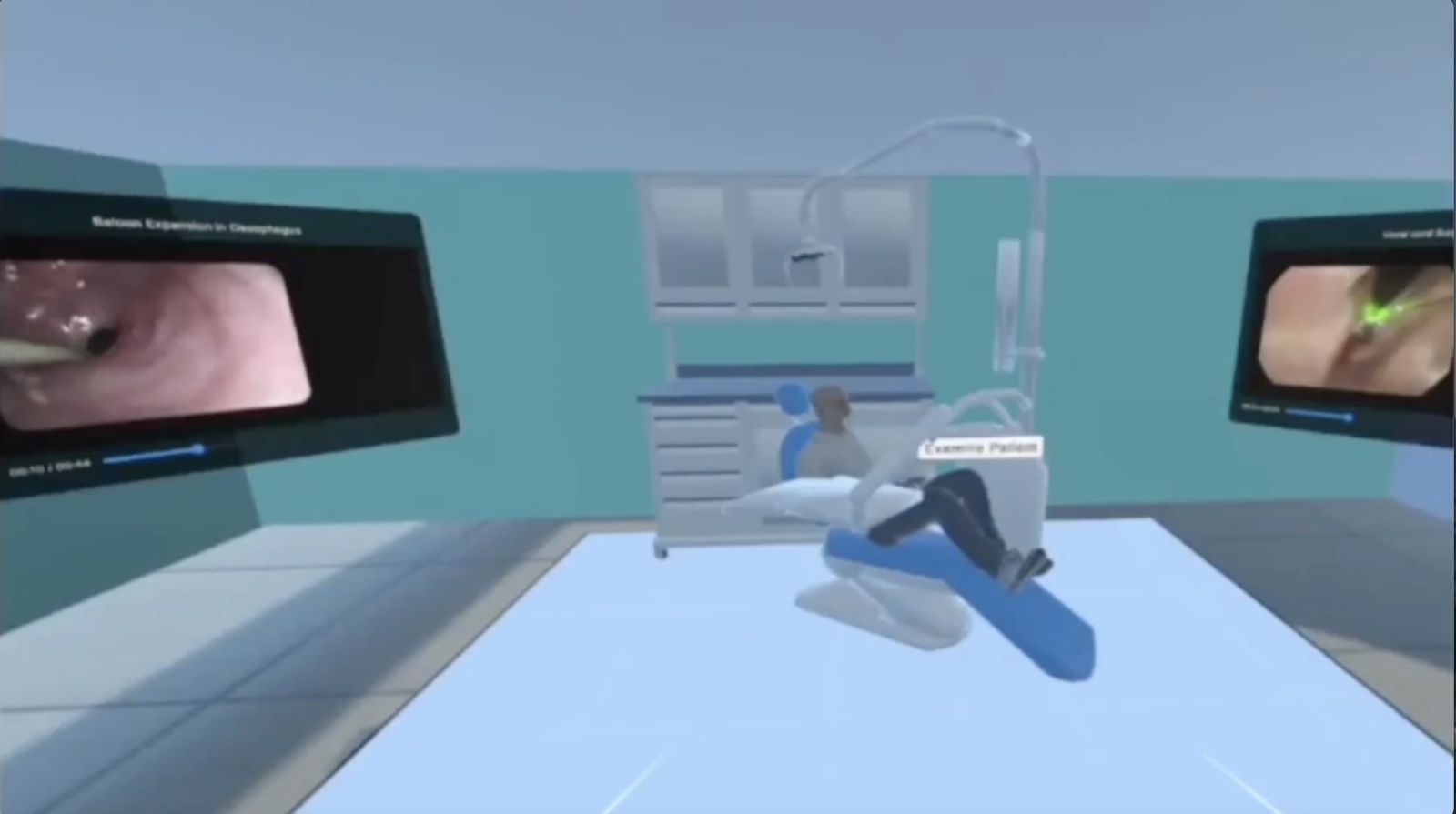
Our group created a guided Unity VR experience to make ENT anatomy and endoscopic procedures easier to understand. I focused on Blender model integration and animation, and helped shape an achievable familiarisation experience; teammates led segmentation and Unity integration.
02
What was developed
- Researched and aligned mouth, larynx, trachea and lung models in Blender.
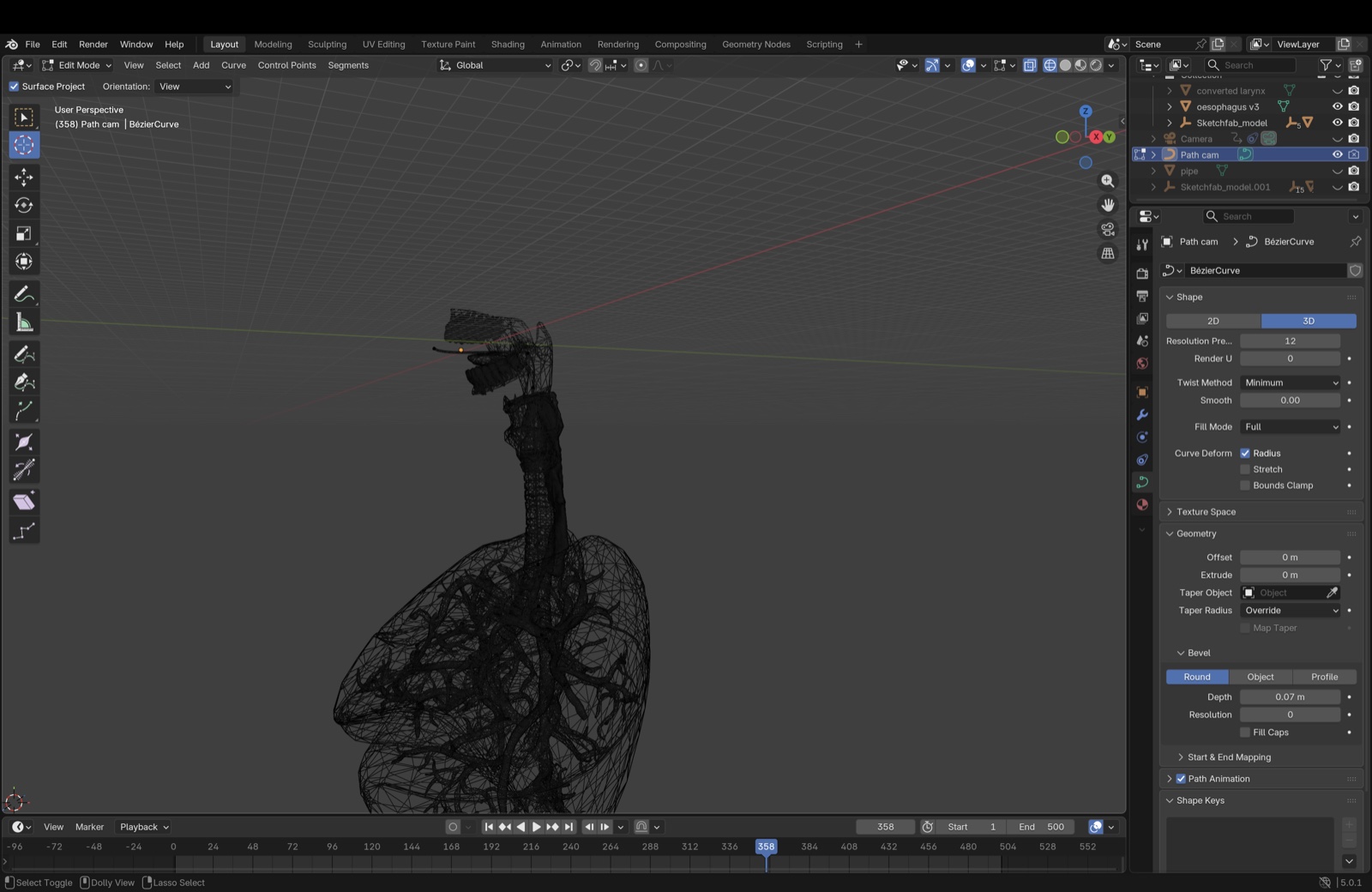
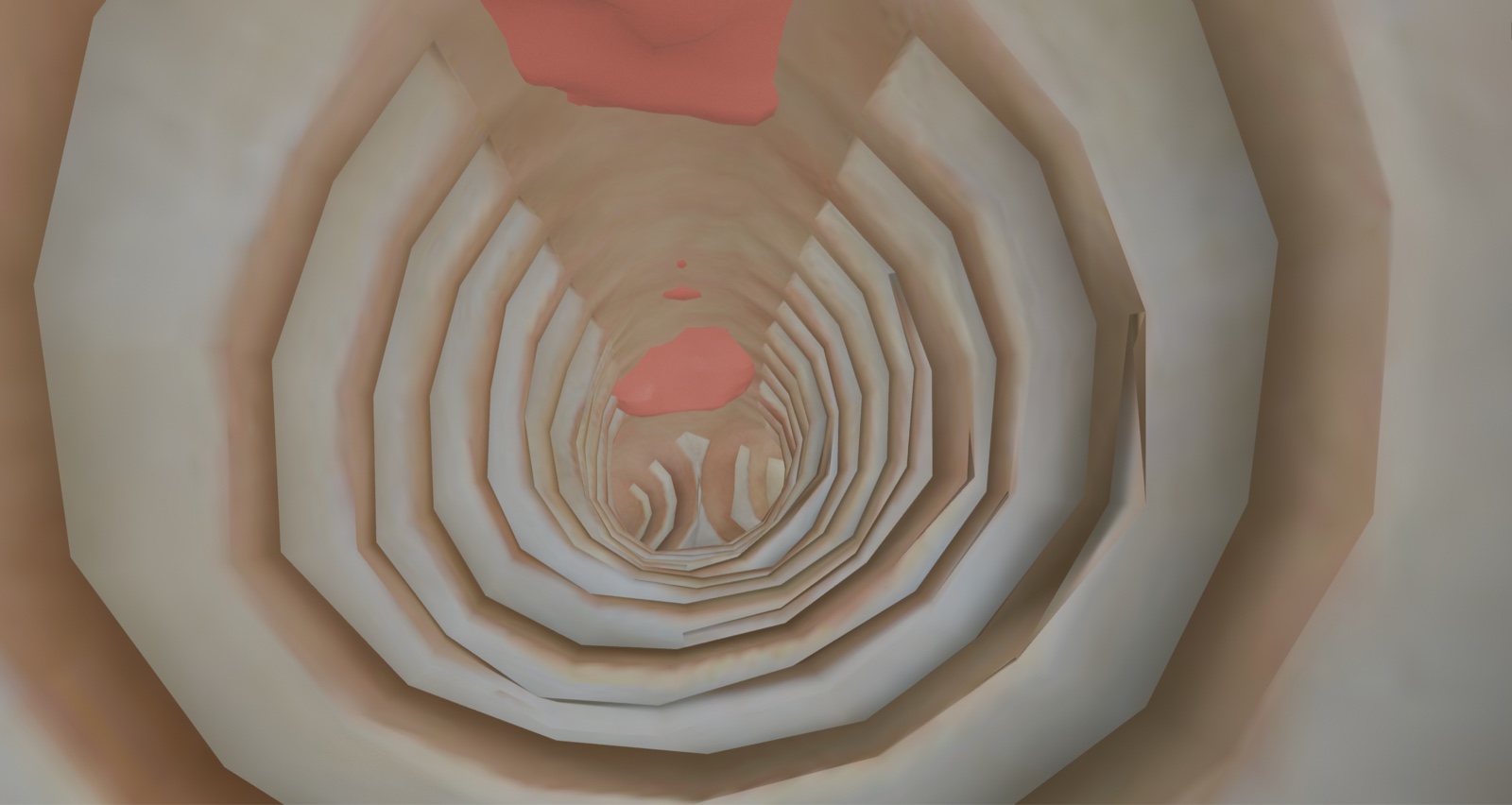
- Created a 500-frame, Bezier-guided endoscopic camera animation through the airway.
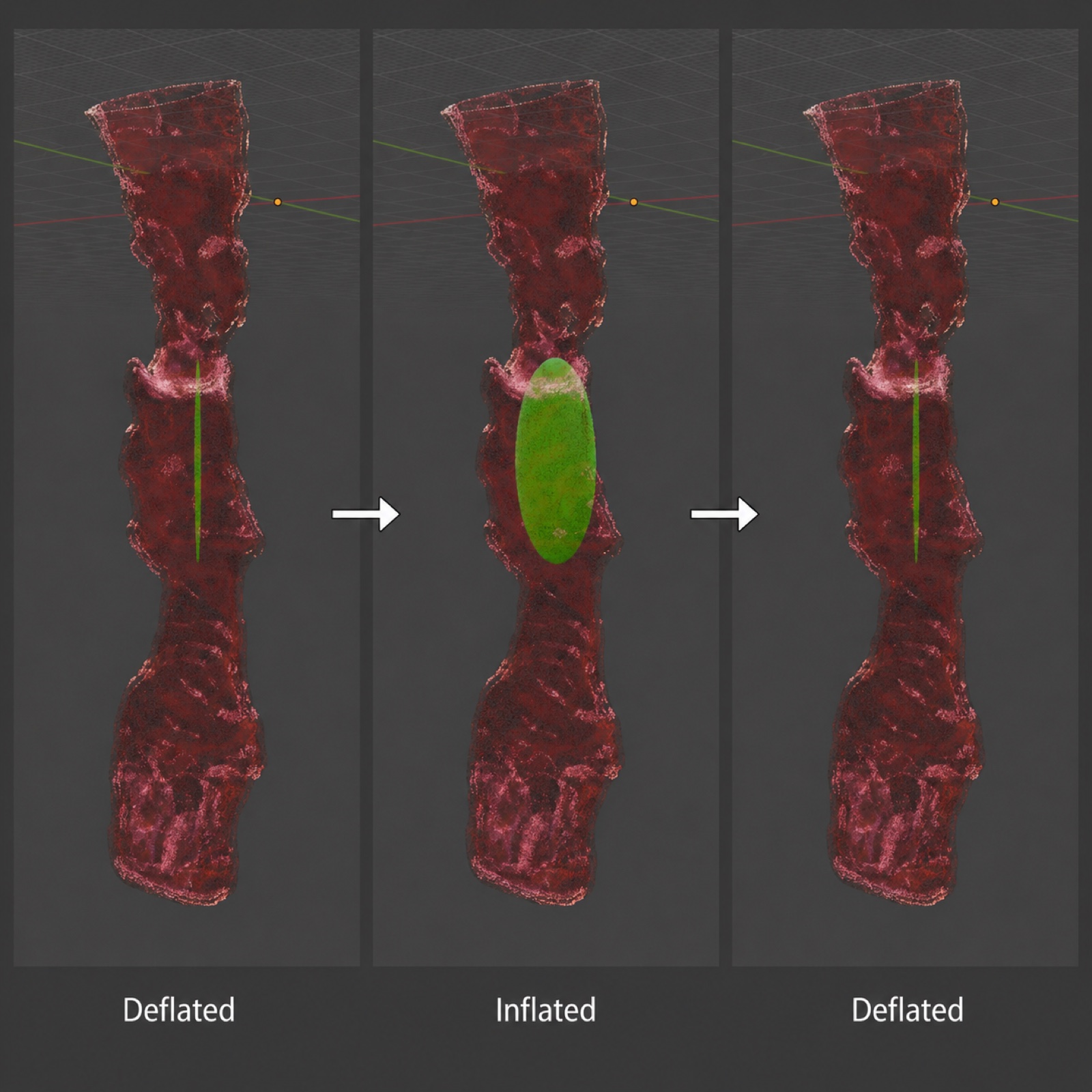
- Animated balloon dilation with keyframed inflation and deflation sequences.
- Supported scope decisions, presentation design and group coordination.
Guided familiarisation prototype for patients and early learners; not a validated surgical training or clinical decision tool.
03
Key technical highlights
- Guided anatomical viewpoints
- Camera-path & keyframe animation
- Practical scope management
04
Tools and skills
Blender · Bezier paths · Keyframe animation · Unity VR collaboration